March signals renewal, making it the perfect time to focus on sustainable living practices that improve daily life while protecting coastal surroundings. For households in Hilton Head Island, SC, small adjustments at home can create a meaningful environmental impact without sacrificing comfort or convenience.
In a place known for its shoreline, maritime forests, and outdoor lifestyle, adopting smarter habits aligns with the values of Hilton Head Island. Whether families are exploring how to live more sustainably at home or simply searching for easy sustainable practices to start, spring offers a natural opportunity to reset priorities and build greener routines.
Refreshing Everyday Habits for a Greener Home
Adopting thoughtful habits begins with awareness. Turning off unused lights, unplugging electronics, and switching to LED bulbs are simple yet effective eco-friendly home tips. These small shifts help reduce energy waste and lower monthly utility bills, making sustainability both practical and rewarding.
Another meaningful adjustment involves choosing reusable items over disposable ones. Refillable water bottles, cloth shopping bags, and glass storage containers significantly reduce plastic consumption. Households that commit to these habits often find that green living becomes second nature rather than an added chore.
Mindful purchasing also plays a role. Selecting products with minimal packaging and supporting brands committed to responsible sourcing can reduce environmental strain. Over time, these decisions contribute to a home environment that reflects conscious consumption and responsible stewardship.
Smarter Energy and Water Use for Coastal Living
Energy efficiency is especially important in coastal climates. Installing programmable thermostats helps regulate indoor temperatures efficiently during warm spring days and humid evenings. Sealing windows and doors can further prevent air leaks, reducing strain on cooling systems throughout the year.
Water conservation matters deeply in communities surrounded by delicate ecosystems. Fixing small leaks, installing low-flow showerheads, and watering lawns in the early morning can dramatically reduce water waste. These measures protect shared natural resources while lowering utility expenses.
Many households interested in sustainable homes in Hilton Head Island are also exploring solar panel installation. While it requires an initial investment, renewable energy supports long-term savings and reduces reliance on fossil fuels. Over time, thoughtful upgrades increase property value and strengthen environmental resilience across Hilton Head Island.
Responsible Cleaning and Outdoor Care
Spring cleaning presents an opportunity to replace chemical-heavy products with natural alternatives. Vinegar-based solutions, baking soda scrubs, and plant-based cleaners reduce indoor air pollutants while maintaining a healthy living space. These adjustments align seamlessly with how to live more sustainably at home without compromising cleanliness.
Outdoor spaces also benefit from mindful practices. Composting food scraps enriches garden soil while reducing landfill waste. Native plant landscaping minimizes the need for excessive irrigation and chemical fertilizers, making yard maintenance more sustainable and efficient.
Avoiding the overuse of pesticides helps protect local wildlife and nearby waterways. As more households adopt these easy, sustainable practices to start, neighborhoods collectively support cleaner air and healthier ecosystems throughout Hilton Head Island, SC.
Financial and Lifestyle Benefits of Green Living
Choosing sustainable living practices delivers measurable economic advantages. Lower energy bills, reduced water usage, and minimized waste translate into steady savings. Over time, these improvements can offset the cost of environmentally friendly upgrades.
Beyond finances, sustainability enhances overall well-being. Cleaner indoor air, reduced chemical exposure, and greater connection to outdoor spaces contribute to a healthier lifestyle. Families often find that thoughtful routines foster a sense of purpose and shared responsibility.
Communities that prioritize green living tend to see increased interest in sustainable homes in Hilton Head Island. As awareness grows, properties designed with efficiency in mind become more attractive, supporting both environmental responsibility and long-term market appeal.
Strengthening Community Impact Through Sustainable Choices
Individual actions multiply when adopted across neighborhoods. When households commit to conservation efforts, the collective impact reduces strain on local infrastructure and natural systems. Coastal regions, in particular, benefit from community-wide dedication to environmental care.
Education plays an important role in sustaining progress. Schools, community groups, and neighborhood initiatives can encourage continued learning about eco-friendly home tips and innovative solutions. As more residents commit to responsible living, Hilton Head Island strengthens its reputation as a forward-thinking coastal community.
By focusing on easy, sustainable practices to start, families can create lasting habits that extend well beyond spring. Meaningful change rarely happens overnight, but steady improvements build a healthier future for generations to come.
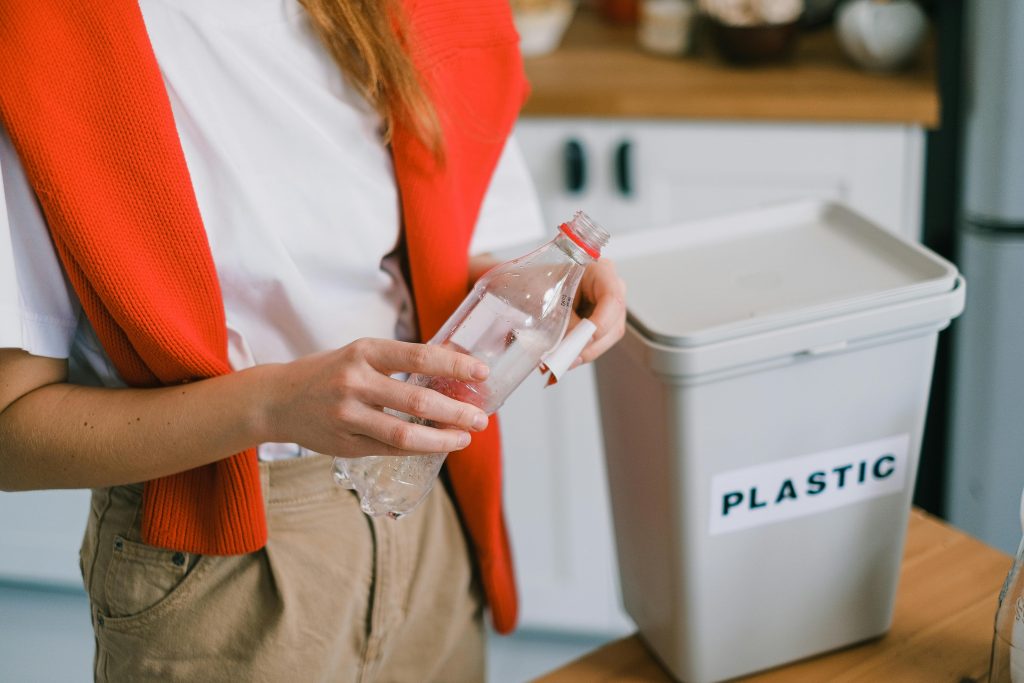
Source: pexels.com
March provides a timely reminder that renewal begins at home. Through thoughtful energy use, mindful consumption, and responsible outdoor care, households can successfully implement sustainable living practices that support both comfort and conservation.
For families in Hilton Head Island, SC, embracing sustainability reflects a commitment to preserving the coastal environment while enhancing everyday life. As interest in sustainable homes in Hilton Head Island continues to rise, practical green choices today can shape a stronger tomorrow.
Now is the ideal moment to take purposeful steps toward a more efficient and environmentally conscious household that benefits both your family and the coastal community you call home.
Sources: energy.gov, en.wikipedia.org, epa.gov, wholehousefan.com, inmyarea.com, theworldorbust.com
Header Image Source: pexels.com
